Intel CEO Pat Gelsinger is retiring, effective immediately. The company boss that sought to lead the company's resurgence in the ever challenging chip market has stepped down and a permanent successor has yet to be found.
"Leading Intel has been the honor of my lifetime—this group of people is among the best and the brightest in the business, and I’m honored to call each and every one a colleague," Gelsinger says of the decision. "Today is, of course, bittersweet as this company has been my life for the bulk of my working career. I can look back with pride at all that we have accomplished together.
"It has been a challenging year for all of us as we have made tough but necessary decisions to position Intel for the current market dynamics. I am forever grateful for the many colleagues around the world who I have worked with as part of the Intel family."
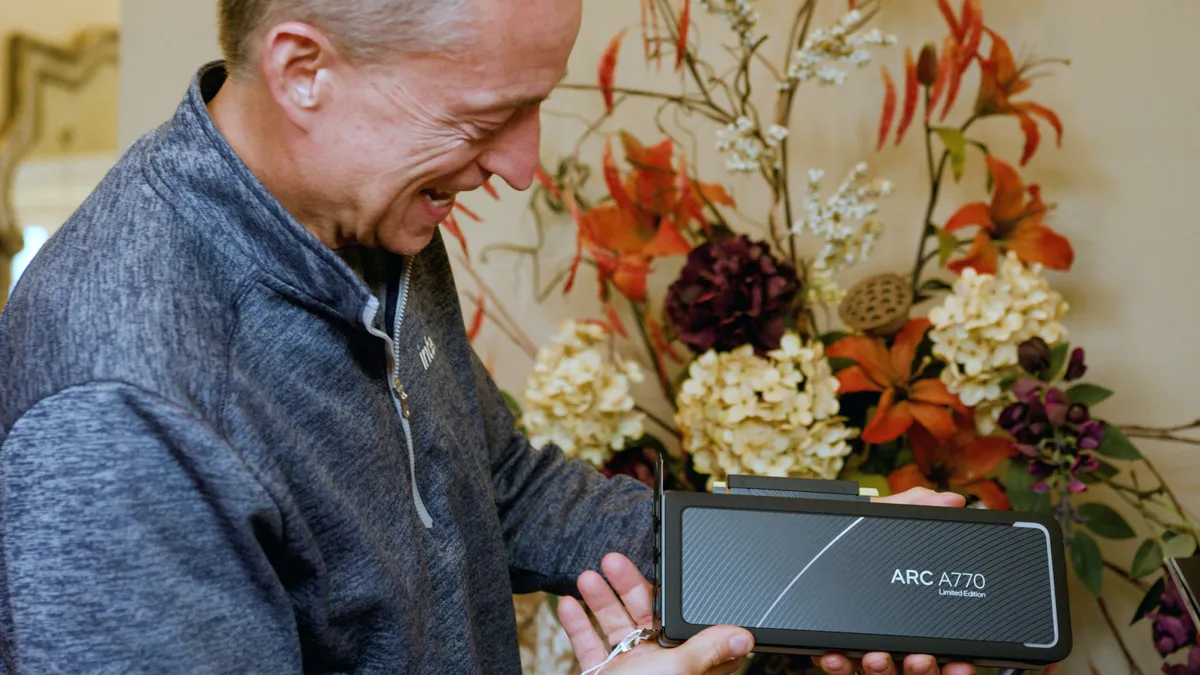
The simple answer is no, it wouldn't. Gelsinger felt to many like the right pick for a hard job at the time of appointment—someone with an engineering background capable of turning Intel around, including its struggling manufacturing arm. That recovery plan has not yet paid huge dividends, and though it still might be ultimately the right course of action, Intel remains in a tough spot.

: The top chips from Intel and AMD.
: The right boards.
: Your perfect pixel-pusher awaits.
: Get into the game ahead of the rest.
"We are grateful for Pat’s commitment to Intel over these many years as well as his leadership," Zinsner and Holthaus say in a joint statement. "We will redouble our commitment to Intel Products and meeting customer needs. With our product and process leadership progressing, we will be focused on driving returns on foundry investments."
The challenges facing Intel are huge and span out further than even the original chipmaking firm itself. For example, Intel is embroiled in a battle to defend and similarly is central to US policy to move some chipmaking back to American shores.
For now, however, it does feel a shame that Gelsinger never saw his recovery plan through to its end. At its most ambitious, it would've seen Intel competing with TSMC for the top chipmaking crown and x86 proven to be top dog. As it stands, he retires from a company with more questions marks over its future than perhaps ever before.